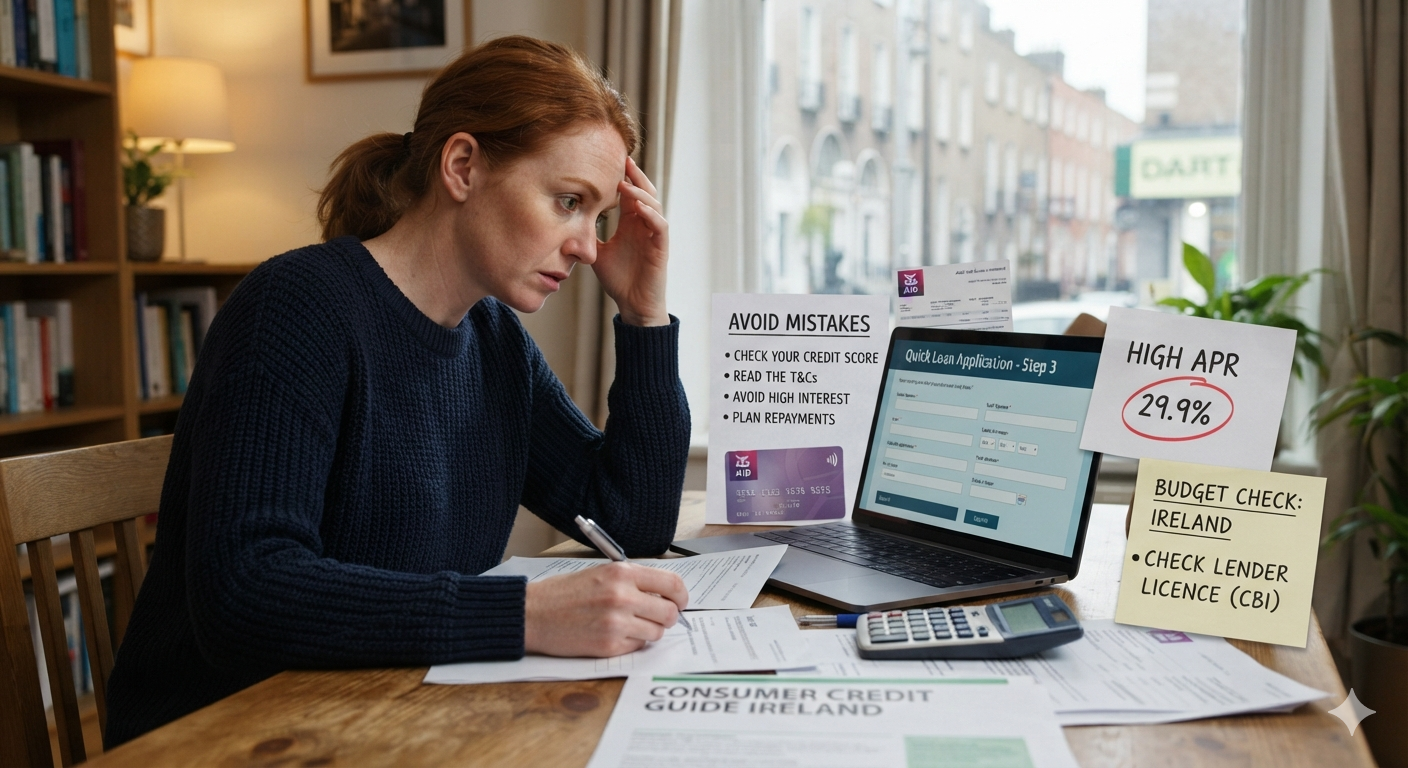
Starting a small firm in Ireland needs cash for stock, rent, staff, and ads. You will have different options to choose from when you first start looking for funding. Many new firms look at private lenders, banks, and alternative funds to get fast and fair finance.
It is also very common for new founders to reach out to money lenders in Dublin for a fast decision. You do not have to accept the first offer you receive. It is always worth comparing two or three options before you sign.
What Are The Startup Loan Options In Ireland?
Bank Term Loans
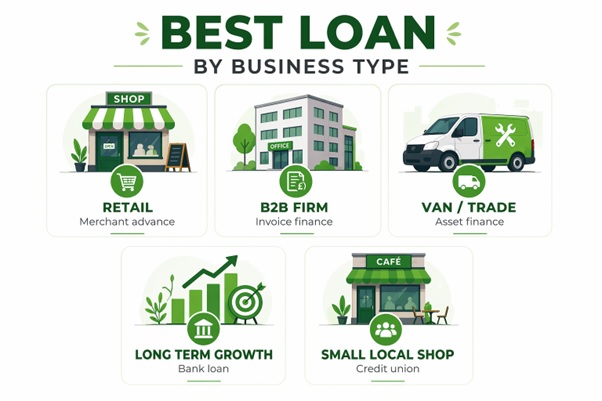
Offered by AIB, Bank of Ireland and PTSB. This is the lowest rate option available, but they reject roughly 6 out of 10 startup applications.
Online Lenders
The fast-growing option for new firms. They have lower eligibility requirements than banks. One can get approved for more startup applications than all three banks.
Peer To Peer Lending
This offers lower rates than most online lenders, with much higher approval rates than the high street.
Asset Finance Firms
The most underused startup loan option. They lend against equipment, tools, vehicles or machinery, and require a long trading history.
Invoice Finance Firms
Will advance you up to 90% of the value of any unpaid client invoice. You can use this option from the very first client you invoice.
Merchant Cash Advance Firms
Only available to businesses that take card payments. The repayments are taken as a small percentage of your daily card sales, with no fixed monthly amount.
Private Money Lenders
The final option for founders who have been declined. They have almost no eligibility criteria, but charge the highest rates on the market.
What Do Online And Alt Lenders Offer?
This is also the most common place to start when you are looking at how to get loans for a start-up business in Ireland. You will not get the lowest rate. You will get access to capital that most banks will not offer to new firms.
- The entire application process takes place online, with no in-person meetings required
- You will receive a formal decision within 24 hours of submitting all required information
- Approved funds are usually sent to your business account between 24 and 72 hours
- Loan amounts start at €1000 and go up to a maximum of €500,000
- Repayment terms run from 3 months all the way up to 36 months
These lenders do not use the same strict eligibility criteria as the main banks. They will place far more weight on your last three months’ bank transactions than your personal credit score. Many will approve applications from businesses.
How Much Can A Startup Borrow In Ireland?
The maximum amount you can borrow depends almost entirely on which type of lender you apply to. There is no official upper limit for new businesses. There are very clear unwritten caps.
- You can borrow as little as €1000 from almost all alternative direct lenders
- The big three banks will lend up to €250,000 to eligible new startups
- Peer-to-peer lending platforms will consider applications up to €500,000
- No lender will offer you an amount they do not believe you can comfortably repay
- The quality of your preparation will have a bigger impact than almost any other factor
Only a few startups will be approved for the maximum amount on their first application. Most new firms with no trading history will usually be offered between €10,000 and €30,000 on their first loan. You can apply for a top-up after six months of on-time repayments.
The lenders will offer you a larger amount at that point. They do not care how big you say your business will be in three years. They only care about how much cash you can prove you will generate each month to make the repayment.
What Are The Typical Interest Rates?
The two different applicants can be offered wildly different rates from the same lender. There are no fixed rates that apply to everyone. There is a very consistent range.
- Bank term loans currently sit between 4% and 9% per year
- Online and alternative direct lenders charge between 8% and 25% per year
- Merchant cash advances are charged as a fixed fee rather than an annual interest rate
- Your individual rate will always be based on the level of risk the lender assigns to you
Many founders fixate on the headline interest rate more than any other factor, but this is not always the right approach. A slightly higher rate from an online lender that gives you access to funds is much better for your business than waiting twelve weeks for a bank decision.
Merchant cash advances are often quoted as being very expensive. This is very short-term funding of three to six months. They are often comparable to the total cost of an online lender loan. You will get a significantly better rate once you have twelve months of trading history.
How Can Startups Improve Loan Approval Odds?
Most rejections are not because your business is a bad idea. They are because you presented your application badly.
- Step 1: Prepare a clear one-page business plan. You do not need a fifty-page document. The lenders want to see how you will make the repayments.
- Step 2: Include a realistic sales forecast. Do not write down numbers you think the lender wants to see. Write down numbers you can defend and explain.
- Step 3: Show that you are putting some of your own money into the business. Even 10% of the total amount you want to borrow will make a lender more comfortable approving your application.
- Step 4: Keep your personal debt as low as possible in the three months before you apply. Lenders will check your personal bank statements even for a limited company application.
- Step 5: Check your personal credit score six weeks before you apply. You do not need a perfect score. There should be no outstanding defaults or missed payments in the last twelve months.
- Step 6: Attach any signed client contracts or letters of intent you have. One confirmed client will double your chance of approval with almost every lender.
Conclusion
There is no single perfect option for every single startup. If you can get approved for a bank loan, you should almost always take that first. If you need funds in less than a week or have been turned down by a bank, alternative options are a good choice. Take an extra hour to look at all your options before you submit any application.

Caleb works as a senior content writer at Loanstopocket for the past 3 years. He is a writing enthusiast and invests a good time in exploring and writing about financial trends. His keenness in exploring a topic to create a research-based piece is simply unmatched. He believes in including a texture of authenticity with real-time examples and facts.
Caleb’s blogs and articles reveal deep-seated knowledge and expertise. His educational qualification forms the base of his excellent command over the industry and Jargon. He is a postgraduate in Finance and is currently involved in exploring the world of the stock market.